Al Fahad Building: Architecture and Real Estate Insights
Intro
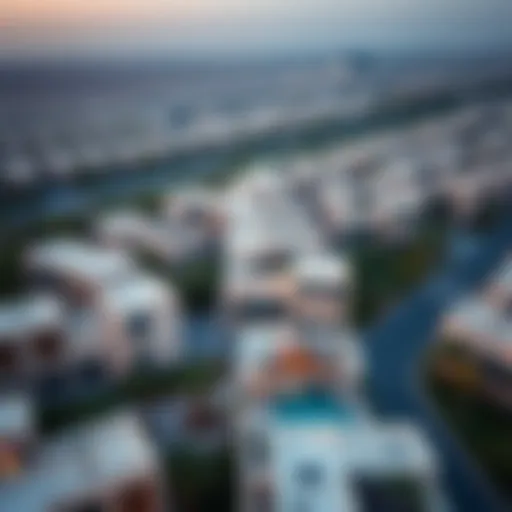
In the bustling metropolis of Dubai, architectural marvels stand as a testament to innovation and luxury. One such structure, the Al Fahad Building, rises prominently amidst the skyline, blending contemporary design with functionality. This article takes you on an insightful journey, peeling back the layers surrounding the Al Fahad Building’s unique architectural significance while also exploring its potential within Dubai's real estate arena.
Market Trends
Current Real Estate Trends in Dubai
Dubai's real estate market is akin to a fine-tuned engine, constantly evolving and adapting to the global economic landscape. Over the past years, several key trends have emerged that offer a clear picture of this dynamic environment.
For starters, there has been an undeniable shift towards more sustainable and energy-efficient buildings as investors and residents alike become more eco-conscious. High-rise developments that incorporate green technologies are not just marketing buzz—they're becoming prerequisites in many new projects.
Another significant trend is the increase in demand for mixed-use developments. Al Fahad Building is a prime example of this, serving not only as a residential hub but also offering commercial spaces. This trend supports residential living within urban settings alongside accessibility to workplaces, which appeals greatly to a younger demographic.
Future Forecasts for the Dubai Property Market
The future of Dubai's real estate market looks promising, with a multitude of factors contributing to optimistic forecasts. As major international events, like Expo 2020 (though postponed to 2021), draw attention to the city, there is an influx of investments expected. Furthermore, the government’s efforts to ease property ownership regulations for foreigners also add a layer of allure.
Analysts predict that properties like Al Fahad Building will see a continued rise in market value. Factors such as location, modern amenities, and architectural design will likely drive investor interest.
"Dubai’s property market has consistently shown resilience, rebounding from downturns with an innovative spirit that appeals worldwide."
Property Types
Residential Properties: Overview and Insights
Residential properties in Dubai have seen a transformation over the last decade. Buildings catering to families and affluent singles alike are growing on prime land. Buildings that balance luxury with practicality, such as Al Fahad, provide an attractive option for potential homeowners.
Al Fahad Building’s apartments offer spacious interiors, fitted with modern appliances and stylish decor. The surrounding amenities also enhance the living experience—parks, schools, and retail outlets are just a stone's throw away, making life easier for residents. Given the current trend towards community living, this accessibility is a significant draw.
Commercial Properties: Opportunities and Challenges
On the flip side, the commercial aspect presents both challenges and opportunities. Businesses are keen to capitalize on strategic locations like Al Fahad Building, but the competition can be fierce. Newly opened commercial spaces often sit next to well-established companies, making it a challenging landscape to navigate.
That said, there’s a silver lining for commercial property investments; businesses looking for short-term leases or co-working spaces might find ample options in mixed-use buildings. Al Fahad notably provides various workspaces suitable for different types of enterprises, thus fostering a sense of community among business owners.
Prologue to Al Fahad Building
The Al Fahad Building stands as a significant figure not only in the skyline of Dubai but also within the broader narrative of its real estate landscape. To grasp its importance, one must first recognize that this building embodies more than just architectural merit. It serves as a barometer of societal evolution, reflecting the aspirations of its residents and the dynamics of an evolving economy. Investing time in understanding this structure will provide stakeholders—including investors, homebuyers, and urban developers—with insights that go beyond mere aesthetics.
Overview of the Structure
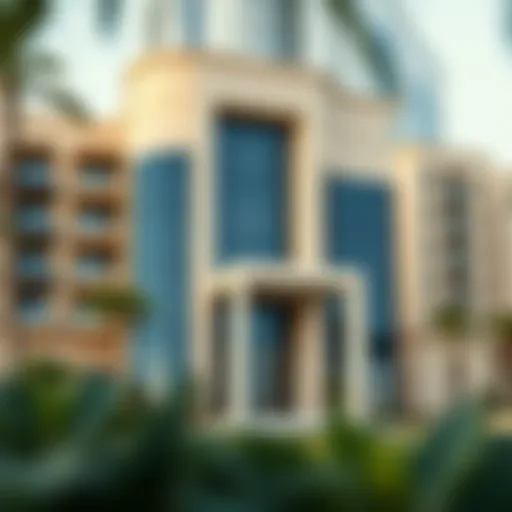
Al Fahad Building is a remarkable piece of architecture located in a bustling part of the city. Standing tall with its sleek designs, the building features a blend of modern and traditional architectural elements that appeal to many. It typically reaches a height of several storeys, encompassing both commercial and residential spaces. The facade, often made of glass and steel, reflects the modernity of Dubai while also employing local architectural styles that make it feel at home amidst the older structures nearby. This juxtaposition between old and new creates a visual dialogue that captivates both passersby and residents.
The layout of the building usually includes multiple amenities that cater to the needs of residents and businesses alike. Features such as landscaped gardens, swimming pools, and fitness centers enhance its livability, while ample parking solutions and proximity to major highways offer convenience for commuters. Investors often see the Al Fahad Building as not just a property but a lifestyle destination, where every amenity is a stone’s throw away.
Historical Context


Delving into the historical context of Al Fahad Building reveals a story entwined with Dubai's rapid ascent as a global player in the real estate market. Opened during a pivotal moment in the early 21st century, it captures the spirit of ambition that characterized that era of development. The building likely arose amidst a flurry of construction, as Dubai positioned itself as a hub for business, tourism, and luxury living.
As Dubai transformed itself from a modest trading port to a glittering metropolis, structures like Al Fahad played an integral role in signaling this shift. Its establishment was not merely a response to rising demand for housing and office space but also a reflection of the government’s vision to create a world-class city. Over the years, the Al Fahad Building has adapted to changes within the market, showcasing its resilience by appealing to both domestic and international investors.
In the broader context, this building represents a microcosm of the real estate evolution in Dubai. It stands witness to market bubbles and recovery periods, acting as a prime example of how real estate can both shape and be shaped by socio-economic trends. This context enhances the building's allure, serving as an important consideration for those looking to invest or reside in a space with both historical significance and modern functionality.
Architectural Features
Architectural features are the cornerstone of any building's identity, establishing not only its aesthetic appeal but also its functionality and longevity. In the case of Al Fahad Building, these attributes form an integral part of its significance in the Dubai skyline. Beyond mere visual interest, architectural features encompass design, construction materials, and sustainability practices that enhance the building’s allure to both potential residents and investors.
Design Elements
The design elements of Al Fahad Building exhibit a blend of contemporary flair and cultural homage that resonates with the ethos of Dubai. A notable aspect is the innovative facade featuring a harmonious interplay of glass and steel, which reflects the dazzling sunlight typical of this desert city. The use of large glass panels isn't just for aesthetics; it maximizes natural light within the interiors, creating a welcoming atmosphere for occupants.
Incorporating traditional patterns into modern design, the architects pay tribute to the rich heritage of the region. Geometric motifs inspired by Islamic architecture subtly adorn certain sections of the walls. This thoughtful integration serves not only to beautify but also to connect the structure to its cultural roots, creating a narrative that speaks to both local and international observers.
Furthermore, the building's layout is meticulously crafted to promote efficient space usage while fostering community interactions. Open floors designed for flexibility allow for various configurations, catering to the needs of businesses and residents alike. In essence, these design elements converge to create an engaging environment that embodies both functionality and artistry.
Construction Materials
When considering construction materials, Al Fahad Building employs high-quality resources that ensure durability and functionality. One standout feature is the use of reinforced concrete, which provides the necessary structural integrity to withstand the extreme climatic conditions of Dubai. In combination with advanced thermal insulation materials, this approach helps maintain pleasant indoor temperatures year-round, benefiting both occupants and energy efficiency.
Additionally, attention is given to eco-friendly materials. Recycled steel and low-VOC paints are just some examples of how the building's construction reflects a commitment to sustainability. These materials not only contribute to a lower carbon footprint but also comply with local regulations aimed at promoting green building practices.
Real Estate Market Insights
The real estate landscape in Dubai is quite the spectacle, not just for its shimmering skyline, but for the dynamic trends that define the market’s ever-changing fabric. When discussing the Al Fahad Building, it’s imperative to weave in the various aspects that underscore its significance as a player in the broader real estate realm. This section serves as a keystone, laying out how the market trends, investment opportunities, and demand fluctuations provide an in-depth understanding vital for potential investors, homebuyers, agents, analysts, and developers alike.
Market Trends in Dubai
Dubai's real estate market often resembles a bustling bazaar, with new opportunities popping up like mushrooms after rain. Land prices, rental yields, and property types all play a role in shaping the transactions that occur daily. As such, recognizing current trends can spell the difference between a wise investment and a hasty decision.
In recent years, the city has seen:
- Rising demand for luxurious living: High-net-worth individuals are increasingly drawn towards exclusive properties, seeking residences that provide not just shelter but luxury.
- Increased interest in sustainability: Eco-friendly buildings like Al Fahad are capitalizing on this interest, appealing to both affluent buyers and the environmentally conscious.
- Trends in tourism and commercial spaces: As Dubai continues to flourish as a global tourism hub, commercial real estate sees a staggering uptick in demand.
These elements culminate to show that understanding and adapting to the trends is crucial for stakeholders aiming to leverage the potentials of properties like Al Fahad Building.
Investment Opportunities
Investment in Dubai's real estate can feel like a gold rush, fraught with promise yet requiring a keen eye and strategic approach. The Al Fahad Building stands out as one key opportunity amidst the gold nuggets and fool’s gold alike.
Considerations for investment include:
- Promising Returns: With the architectural elegance and prime location, Al Fahad Building offers potential dividends through both property value appreciation and rental income.
- Government support for investors: Dubai’s regulations are designed to attract foreign investment, ensuring that barriers are minimized while incentives are maximized.
- Potential for mixed-use spaces: The versatility of the Al Fahad Building allows for diverse leasing options, providing investors with multiple streams of income.
"Investing in real estate isn’t just about buying property, it’s a strategic dance that requires foresight and understanding."


For those considering making a stake in the Al Fahad Building, the market is both ripe and robust, offering a multitude of investment paths.
Demand for Commercial vs. Residential Spaces
Understanding the ebb and flow of demand between commercial and residential spaces is like reading the tides; one must know when to catch the wave. In Dubai, the distinction often blurs, but certain trends persist. The Al Fahad Building, locating in a vibrant district, positions itself advantageously in this regard.
- Commercial Demand: The allure of Dubai as a business center cannot be overstated. Many businesses are clamoring for spots in properties that can promise high visibility and accessibility. With the Al Fahad Building’s strategic layout, businesses find it an attractive location.
- Residential Demand: On the flip side, the demand for quality residential units remains steadfast as families and professionals look for homes that offer modern conveniences. The Al Fahad Building, with its lavish features, fits this market perfectly, making it appealing to a wide demographic.
Balancing these two forces can lead to a thriving ecosystem within a single property. Investors must remain vigilant, assessing not just current demand but anticipating shifts in preferences as demographics and economic factors evolve.
Neighborhood Dynamics
In the bustling city of Dubai, the neighborhood surrounding any building plays a significant role in determining its desirability and investment potential. For the Al Fahad Building, the neighborhood dynamics are vital not just from a real estate perspective, but also in shaping the lifestyle of its residents. Understanding this landscape entails delving into several factors: amenities, transportation access, and the overall community vibe.
Surrounding Amenities
Al Fahad Building sits at the crossroads of convenience and luxury. Its vicinity boasts an impressive array of amenities, catering to both daily needs and leisure activities.
- Shopping Options: Whether it's high-end boutiques or local markets, there are plenty of shopping choices. You’ve got places such as Mall of the Emirates and Ibn Battuta Mall close by, providing options for anything from gourmet groceries to designer fashion.
- Dining Scene: The food scene is vibrant, with restaurants serving everything from Kurdish to Korean cuisine all just a stone's throw away. Local favorites and upscale dining can sit side by side, appealing to diverse tastes and budgets.
- Recreational Spaces: Parks and green spaces like Al Barsha Pond Park offer a breath of fresh air amid the concrete jungle. Residents often can appreciate jogging trails and family-friendly play areas.
All these amenities create a robust ecosystem that enhances living conditions and elevates the overall value of Al Fahad Building, making it attractive to potential investors and buyers.
Transportation Access
Getting around Dubai from Al Fahad Building is a breeze, which is a crucial consideration for any property buyer or investor. The building's central location provides easy access to various modes of transport:
- Metro Stations: Al Fahad Building is in proximity to several metro stations, like the Al Barsha Metro Station. This means residents can quickly hop on and off for daily commutes, reducing travel time drastically.
- Bus Services: Local bus services are frequent and well-connected, providing further mobility options to residents without the need for a car.
- Road Connectivity: Major roads and highways are easily accessible. The Sheikh Zayed Road, for instance, connects to various parts of Dubai and nearby emirates, enhancing accessibility considerably.
This seamless transportation network not only boosts the appeal of living in Al Fahad Building but also impacts its overall real estate value positively.
Community and Lifestyle
Beyond the physical attributes and logistics, the community and lifestyle surrounding the Al Fahad Building paint a vivid picture of what life is like in this area.
- Cultural Melting Pot: Dubai is inherently diverse, and this neighborhood is no exception. Residents from various backgrounds foster a rich cultural tapestry, making it an exciting place to meet neighbors and form friendships.
- Family-Friendly Environment: For families, the presence of schools, daycares, and recreational activities adds to the desirability. Families find that many educational institutions close by cater well to their children's needs.
- Active Lifestyle: The community promotes an active lifestyle. Fitness enthusiasts can often be seen jogging in parks or engaging in outdoor fitness classes. This lively atmosphere encourages a healthier and more dynamic living experience.
Regulatory and Economic Landscape
Understanding the regulatory and economic landscape is crucial for any stakeholder eyeing the Al Fahad Building. This segment wades into the currents that shape market viability and investment opportunities, covering legal frameworks and economic indicators that provide context to the property’s potential.
Legal Considerations for Investors
For investors, legal nuances can feel like navigating a minefield at times. Dubai's real estate sector has its own set of rules and regulations, which can impact everything from property ownership to zoning laws. Foreign investors must be aware that ownership regulations might vary based on property type. For instance, certain areas allow full ownership by foreigners while others permit only leasehold arrangements.
One key aspect to note is the Dubai Land Department, which oversees all property transactions and ensures that legalities are adhered to. Engaging with registered real estate agents can provide insights into the latest regulations and help potential buyers dodge pitfalls. Investors should also consider the implications of the foreign ownership law, the Investment Law, and the Real Estate Regulatory Agency's guidelines, as these factors can significantly influence buying decisions.
An additional thought involves understanding the contractual obligations. A sturdy grasp of legal documents— be it sales agreements, leasing contracts, or joint venture agreements— is paramount. The lack of clarity can lead to misunderstandings, which might result in financial losses or legal disputes. Potential investors should always seek legal counsel when navigating these waters, ensuring every ‘t’ is crossed and ‘i’ dotted.
Economic Indicators Affecting Real Estate
The economic landscape directly impacts the vibrancy of real estate. In Dubai, a few key indicators deserve a closer look:
- GDP Growth: A robust economy typically spells confidence. When Dubai's GDP grows, it bolsters consumer spending and attracts foreign investments, which, in turn, enhances the property market.
- Employment Rates: High employment often leads to greater demand for residential and commercial spaces. A stable job market means more people are willing to invest in property.
- Interest Rates: The cost of borrowing is directly tied to real estate dynamics. Low-interest rates can foster a surge in buying activity, while higher rates might slow down the market.
Investors should keep a close watch on these indicators as well as property price trends and rental yields. The balance between supply and demand dictates the short-term and long-term investment potential. A property like Al Fahad Building stands to benefit immensely in a booming economy, but investors need to be attuned to the broader context.
Understanding these economic signals provides investors with foresight, allowing them to make informed choices regarding their investments. Ignoring the economic pulse is akin to sailing a ship without knowing the weather forecast.
The Future of Al Fahad Building
When we look to the horizon for Al Fahad Building, it’s not just about the view; it’s about the vision. This structure embodies a narrative threaded through both architectural splendor and real estate aspirations in Dubai. Understanding the future of this site involves sifting through various developments, enhancements, and the overall long-term investment potential. This is crucial for stakeholders who are positioning themselves within the evolving Dubai real estate market.
Projected Developments and Enhancements
As urban landscapes shift and evolve, Al Fahad Building is poised to witness a slew of exciting developments. Plans on the table suggest an infusion of modern amenities and redesigns that contemplate not just aesthetic value but functionality too. In recent discussions, insights from architects and urban planners show particular focus on:
- Smart Building Technologies: The integration of smart features like automated energy systems can enhance sustainability and usability. This trend isn’t just a fancy add-on; it’s fast becoming a necessity in competitive markets.
- Enhanced Community Spaces: Proposals are also getting traction that advocate for adding communal areas. Imagine rooftop gardens or open lounges where residents and visitors can mingle, fostering a sense of community.
- Art Installations: By collaborating with local artists, the building could serve as a canvas for cultural expression, enhancing its appeal beyond just real estate.
"The evolution of Al Fahad Building mirrors Dubai’s growth—it is not merely a structure, it’s a statement about the future of urban living."
These projected enhancements represent not just upgrades but significant strides towards creating a holistic environment that balances living, working, and leisure spaces. The anticipation around these developments creates a buzz that could stir the interest of potential investors even more.
Long-term Investment Viability
Investing in the future of Al Fahad Building isn’t just a gamble; it's a calculated step towards securing a position within one of the most desirable markets in the world. Various factors play into this long-term investment viability:
- Market Demand: As areas surrounding Al Fahad Building are rapidly developing, the demand for both residential and commercial spaces is on an upward trend, indicating a promising future for returns on investment.
- Regulatory Environment: The economic policies in Dubai are generally favorable for foreign investors. Legal frameworks are increasingly supportive, simplifying the investment process, which adds an extra layer of security for potential buyers.
- Location Advantages: Positioned strategically within the city, Al Fahad Building benefits from high visibility and accessibility. As infrastructure improves, the location will only become more attractive, ensuring sustained interest and value appreciation.
- Cultural Significance: The blend of historical context and architectural elegance adds an inherent value that goes beyond mere bricks and mortar. Buyers intrigued by the narratives surrounding the building may see value in a different light.
When you consider these elements, the linchpin of Al Fahad Building’s future is rooted in a deep understanding of both architectural significance and the demands of modern living. The pathway ahead holds great promise, not just for the building as a structure, but for what it represents in the grand tapestry of urban evolution in Dubai.
End
The conclusion of our exploration into the Al Fahad Building serves as a lens through which we can crystallize our understanding of its significance, both architecturally and in the realm of real estate. This final section is not merely a formality but a synthesis of the insights gathered throughout the article, illuminating the various facets of the building that collectively underscore its importance.
Summary of Key Points
Reflecting on the key points discussed, it is clear that the Al Fahad Building stands as a beacon of architectural innovation amidst Dubai's bustling landscape. The amalgamation of contemporary design with practical construction materials showcases an ambitious vision that has been realized in a way that resonates well with both residents and investors alike. Integrating sustainable practices into its design adds an additional compelling layer, appealing to environmentally-conscious stakeholders.
Moreover, the building's strategic location boosts its appeal, presenting a range of amenities and access to major transportation hubs which are crucial for any potential buyer or investor. This context is essential given Dubai's growing market trends, which highlight increasing demand for both commercial and residential spaces.
In summary, the Al Fahad Building not only acts as a physical structure but as a tangible asset for investment, woven into the fabric of Dubai's rapidly evolving real estate scene. Keeping abreast of the continuing developments surrounding this structure offers insights that are crucial for any stakeholder considering engagement in the Dubai market.
Final Thoughts on Investment Potential
Looking forward, the investment potential surrounding the Al Fahad Building remains robust. Real estate in Dubai is known for its ever-shifting landscape, and the thorough examination of this building indicates it will continue to hold value in both the short and long-term horizons. Market trends suggest the city is adapting to new economic realities while also upholding its reputation as a lucrative hub for both local and international investors.
In essence, what is particularly alluring about the Al Fahad Building is that it embodies not just present opportunities, but hints at future developments that could further enhance its significance within the market. Investors should consider factors such as regional growth forecasts, urban development plans, and community engagement initiatives when evaluating their position in the market.
Ultimately, investing in the Al Fahad Building could prove to be not just a sound financial decision, but an entry into an iconic landmark that is an integral part of Dubai's architectural and economic narrative.
"The true value of a structure often extends beyond its physical presence; it lies in its capability to adapt and evolve alongside its community."
By understanding these elements, stakeholders can position themselves advantageously within Dubai’s vibrant real estate tapestry.