
Juma Al Majid Building: A Detailed Overview
Intro
The Juma Al Majid Building stands as a cornerstone of architectural sophistication in Dubai. Nestled in the heart of this ever-evolving metropolis, it’s not just a structure; it embodies the spirit and aspirations of a city that has rapidly transformed from a small trading port into a global hub. This comprehensive overview will delve into the rich tapestry of its history, architectural marvels, and the cultural nuances that paint its significance.
As Dubai continues to surge forward, the connection between this landmark and the real estate trends that swirl around it is undeniable. It serves as a beacon for investors and real estate agents, offering invaluable insights into the ongoing dynamism of the local property market. Through meticulous exploration, we aim to unravel how the Juma Al Majid Building reflects the architectural journey of Dubai while also forecasting the potential paths that lie ahead.
Notably, the Juma Al Majid Building is more than a physical asset; it is a cultural icon. Whether you are a homebuyer, developer, or simply a curious observer, understanding this building is essential to grasping the broader real estate landscape. In the following sections, we will explore market trends that shape Dubai's property scene, the distinct types of properties available, and the critical reflections these elements cast on future development. Each segment will provide a cohesive narrative, enriched with data and insights to keep you well-informed in this fast-paced environment.
Foreword to the Juma Al Majid Building
The Juma Al Majid Building stands as a testament to Dubai’s rapid evolution, a gleaming beacon of modern architectural prowess juxtaposed against the ancient sands of the Emirate. It is not just a structural marvel but serves as a reflection of the cultural and economic aspirations of the city. By exploring this significant landmark, one can gain insights into the broader narrative of urban transformation that characterizes Dubai today.
Critically, the building acts as a bridge between the lively commercial heart of Dubai and its historical roots. While it is home to various important institutions, its architectural finesse positions it as both a functional space and a point of reference for design enthusiasts and investors alike. Knowing its significance can help stakeholders appreciate how this piece of architecture fits within the city’s rich tapestry.
Background Information
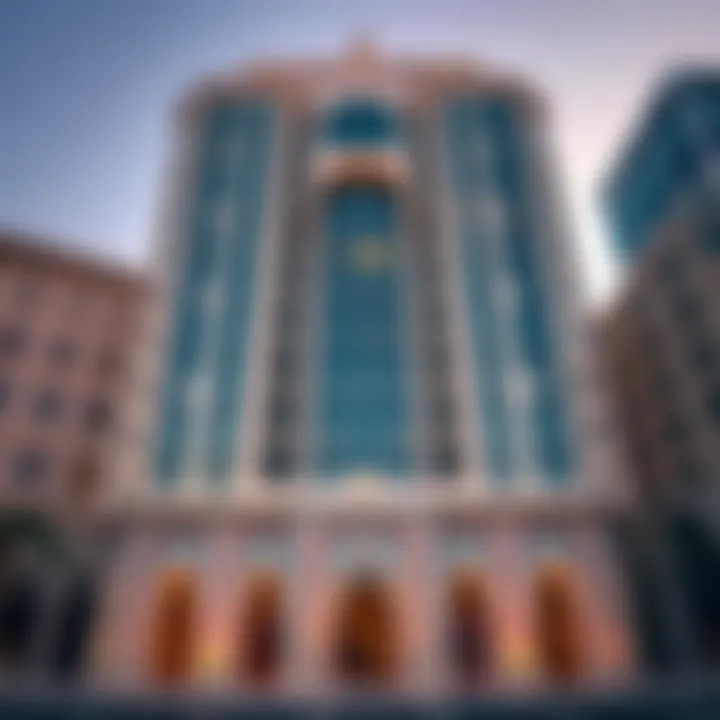
Established in the early 1990s, the Juma Al Majid Building showcases how far Dubai has come in just a few decades. Juma Al Majid, the founder of the Al Majid Group, envisioned a space that reflects both innovation and tradition, aptly representing his business journey. The exterior is characterized by intricate geometrical motifs and expansive glass facades that shimmer under the Arabian sun. Inside, it bursts with cultural artifacts and modern amenities, encapsulating the essence of contemporary Islamic architecture. This blend makes it a must-visit for anyone keen on understanding the ebbs and flows of Dubai's architectural evolution.
Geographic Importance
Positioned strategically in the heart of Dubai, the Juma Al Majid Building is not merely a visual spectacle; it plays a critical role in the urban layout of the city. Its location enhances accessibility, acting as a conduit between various business hubs such as Deira and Bur Dubai. This placement supports the local economy by attracting both business professionals and tourists, securing its status as a prime destination for commerce and cultural exchange. Furthermore, the proximity to major transport links, such as the Dubai Metro and bus routes, underscores its significance in the landscape of urban planning in Dubai.
"In urban context, location is everything, and the Juma Al Majid Building exemplifies how architecture can influence economic vitality."
With such geographic importance, the building also responds well to the growing demand for commercial and residential spaces in Dubai, ensuring that it remains at the forefront of the city's ambitious expansion plans.
Architectural Features
Architectural features of the Juma Al Majid Building hold immense significance, not only for its aesthetic value but also for its functional integrity. As an embodiment of Dubai's modern architectural landscape, it showcases how structures can blend artistic vision with practical needs, setting a precedent for future developments in the region. In addition to pleasing the eye, the distinctive characteristics of the building speak volumes about the city’s rapid growth and its commitment to innovation.
Design Aesthetics
The design aesthetics of the Juma Al Majid Building reveal a fascinating interplay between traditional Arab architecture and contemporary design philosophies. The facade, adorned with intricate geometric patterns, echoes the historical artistry of the region while integrating modern materials. This duality not only caters to visual appreciation but also serves to connect the present with the past, reflecting Dubai's rich cultural heritage.
Texture plays a crucial role in the aesthetics as well. The building expertly utilizes a range of textures that tantalize the senses—from smooth, sleek glass surfaces to rusted metal accents that hint at the harsh desert climate. The color palette is often related to the local surroundings, utilizing earthy tones that mimic the natural landscape.
"This building is not just a structure, it is a narrative, connecting every passersby to the sights and sounds of a bustling city."
Materials and Construction Techniques
When it comes to materials and construction techniques, the Juma Al Majid Building is a masterpiece that elegantly combines durability and sustainability with aesthetic appeal. The use of reinforced concrete ensures a solid foundation, while the wide glass panels maximize natural light—a vital aspect in desert architecture. These materials are carefully selected not only for their structural capabilities but also for their ability to improve energy efficiency, minimizing the building's carbon footprint.
Furthermore, environmentally friendly practices are evident. The incorporation of energy-efficient HVAC systems and water conservation strategies aligns with Dubai's vision for sustainable urban development. This careful selection of materials and techniques helps in reducing maintenance costs over time. Investors and developers alike should take note of these strategies as benchmarks for future projects.
Unique Structural Elements
Unique structural elements of the Juma Al Majid Building set it apart from other landmarks in Dubai. The sweeping curves of its design create a sense of organic flow, giving viewers an impression that the building is alive. Moreover, the strategic integration of outdoor spaces and landscaped terraces allows for recreational areas, enhancing the livability of the structure.
In particular, the cantilevered sections are a feat of engineering, allowing for shade and protection from the harsh sun while providing unobstructed views. This clever architectural move enhances both comfort and utility, demonstrating how thoughtful design can contribute to a positive experience for both visitors and residents.
Historical Context
The Juma Al Majid Building is more than just an architectural delight; it stands as a testament to the transformation of Dubai from a modest trading port to a bustling metropolis. Understanding the historical context of this landmark allows investors, homebuyers, agents, analysts, and developers to appreciate its significance in the broader narrative of Dubai's urban landscape. A historic building often embodies the heart of a city’s journey, encapsulating moments of growth, change, and even challenges.
Timeline of Development
To truly grasp the essence of the Juma Al Majid Building, one must consider its timeline, which weaves together the threads of architectural innovation and cultural evolution. The inception of the building began with Juma Al Majid's vision in the early 1990s. Realizing the need for a central hub that would accommodate various business functions and cultural exchange, the project took root.
By 1994, the Juma Al Majid Building was inaugurated in the heart of Dubai, embodying the blend of tradition and modernity. The first steps of development involved rigorous planning and design phases.


- Early Vision (1990): Conceptualization of a central business and cultural hub.
- Construction Milestone (1992): Groundbreaking began.
- Completion and Opening (1994): The building officially opened its doors.
Each of these milestones marked a significant achievement, not solely for the building itself but for Dubai’s architecture and identity at large. It highlighted an era where modern design seamlessly married traditional values.
Role in Dubai's Urbanization
The Juma Al Majid Building played a pivotal role in the urbanization of Dubai. As the city began to rapidly expand in the 1990s, this structure symbolized not just a shift in architectural trends, but also an underlying cultural movement.
- Catalyst for Development: The building attracted businesses and investors to the area, prompting a surge in construction and development in the surrounding neighborhoods. It's fascinating how one structure can ignite change, driving a domino effect of growth in its vicinity.
- Cultural Gathering Space: Beyond commerce, the building serves as a cultural venue where exhibitions and events foster community engagement. This is critical in a city like Dubai, where cultures intertwine and diverse populations coexist.
- Impact on Infrastructure: Infrastructural enhancements followed the building's establishment, including improvements to public transport and municipal services, marking a shift towards more interconnected urban living.
- Symbol of Modernity: With its sleek design and innovative features, the Juma Al Majid Building represents the aspirations of a country looking toward the future while acknowledging its roots. It’s not just a place; it’s a symbol.
"In examining the Juma Al Majid Building, we see reflections of a city’s past, its present ambitions, and its future possibilities."
The historical context around the Juma Al Majid Building helps us appreciate how far Dubai has come and the architectural influences that continue to shape its identity. As it continues to evolve, this building remains an iconic part of the narrative, marking its place at the intersection of history and modernity.
Cultural Significance
The Juma Al Majid Building stands as more than just a stunning architectural specimen in Dubai; it symbolizes the symbiotic relationship between culture and urban progress. This building encapsulates the aspirations of a city that embraces modernity while staying rooted in its rich heritage. As Dubai continues to blossom into a global hub, the cultural narratives represented by structures like Juma Al Majid play a vital role in enriching the city’s identity.
Symbolism in Modern Architecture
Modern architecture often serves as a reflection of prevailing societal values and aspirations. The Juma Al Majid Building's design features a blend of traditional Islamic aesthetics with contemporary construction techniques. This amalgamation highlights the seamless integration of history into modern life, demonstrating how contemporary architecture can represent deep cultural narratives. For instance, take the mashrabiya—an architectural element designed to control light and air flow while offering privacy. Its presence in the building's facade speaks volumes about the sustainable principles and cultural considerations of traditional Arabic architecture.
Moreover, as more global influences weave into Dubai’s architecture, the Juma Al Majid demonstrates that the city can harness these ideas without losing sight of its roots. It showcases the power of architecture to tell stories and convey messages—essential for fostering a strong sense of place and belonging.
Impact on Local Heritage
As a significant landmark, the Juma Al Majid Building plays an essential role in preserving the local heritage of Dubai. Buildings like this are repositories of identity; they reflect a community's shared past while crafting a narrative for future generations. Here, visitors can trace the threads of Dubai's transformation from a humble port town to a dazzling metropolis.
The function of the Juma Al Majid Building extends beyond that of mere aesthetics or business; it hosts cultural events and initiatives aimed at nurturing public engagement with the arts. This includes exhibitions that showcase local artists, discussions on Emirati history, and educational programs aimed at fostering appreciation for traditional crafts.
Such engagement not only supports local talent but also instills pride within the community. Offering spaces where culture thrives is crucial in today’s world, where globalization may threaten to dilute local traditions. By embracing its heritage through venues like the Juma Al Majid Building, Dubai is reaffirming its commitment to its cultural roots, a decision that resonates with both residents and tourists alike.
In summary, the cultural significance of the Juma Al Majid Building cannot be overstated. It serves as a pivotal touchstone for the narratives that define Dubai—a beacon that attracts those keen on witnessing the convergence of tradition and modernity.
Real Estate Implications
The Juma Al Majid Building stands as more than just a striking architectural feature in Dubai; its implications on the real estate landscape are significant and multifaceted. This section dives into how the building influences market dynamics, potential investment avenues, and future development opportunities. Understanding these elements is crucial for investors, homebuyers, agents, and analysts seeking to grasp the intricacies of Dubai’s booming property market.
Market Demand and Trends
Market demand surrounding the Juma Al Majid Building reflects broader trends within Dubai. As urbanization accelerates, the demand for real estate in proximity to cultural landmarks grows steadily. The unique architecture and historical significance of this building attract a diverse demographic, ranging from expatriates to tourists. The area serves as a draw for businesses aiming to capitalize on increased foot traffic.
Some of the standout trends include:
- Increased Commercial Interest: Companies are keen to establish a presence near landmarks that symbolize prestige and cultural wealth, leading to a surge in demand for office spaces.
- Residential Appeal: High-end living options are in demand, particularly among expatriates who value proximity to cultural sites and modern conveniences.
- Tourism Influence: With the building being an architectural gem, it also boosts the local hospitality sector, prompting the development of hotels and service apartments.
These trends synthesize neatly into an ecosystem where demand is driven not only by the building itself but also by the overall growth trajectory of Dubai.
Investment Opportunities
Investors looking at the Juma Al Majid Building will be pleased to find numerous opportunities ripe for exploration. The area is positioned strategically, ensuring that investment growth is not merely a fleeting trend but part of a long-term vision.
Key aspects to consider include:
- Commercial Spaces: Investing in retail and office spaces nearby presents a chance to benefit from rising property values. With greater commercial establishments coming up, the yield on investments is likely to increase.
- Residential Projects: The demand for high-quality housing near landmarks creates a golden opportunity for residential developers. Projects that marry luxury with accessibility are likely to perform exceptionally well.
- Cultural Tourism Ventures: Investing in tourism-related businesses, such as guided tours or boutique hotels, can yield high returns as cultural tourism thrives in this unique setting.
Thus, engaging with the various investment prospects surrounding the building offers a clear pathway for those looking to capitalize on Dubai’s vibrant market.
Future Developments in the Vicinity


With the Juma Al Majid Building as a foundational element, future developments in the vicinity are already underway, aiming to complement its grandeur and enhance the overall urban experience. Developing the area to support sustainable growth is key, aligning with both the city's vision and investor interests.
Some anticipated developments include:
- Infrastructure Enhancements: Improved transport links and accessibility measures are crucial for supporting the influx of people and businesses. Better roads and expanded public transport options are in the pipeline.
- Mixed-Use Developments: New projects combining residential, commercial, and leisure spaces promise to create a vibrant community around the building. Such spaces not only add to the aesthetic value but also cater to the growing lifestyle trends.
- Cultural Initiatives: There is increasing governmental support for cultural projects aimed at preserving local heritage while encouraging modern interpretations of traditional architecture. This trend will likely attract both local and international interest.
These expected developments serve to further cement the Juma Al Majid Building's status as a pivotal point in Dubai’s urban landscape, underlining its significance in the real estate scene.
"Investing in the real estate around the Juma Al Majid Building is not just about location, it’s about being part of a city that is constantly reinventing itself in the most beautiful ways.”
Overall, the real estate implications surrounding the Juma Al Majid Building are profound and promising, offering sizeable benefits and opportunities for those who choose to engage with this dynamic environment.
Visitation and Accessibility
When discussing the Juma Al Majid Building, Visitation and Accessibility are not just practical considerations; they paint a complete picture of the building's integration within Dubai's urban fabric. With the rapid pace of development in the city, how people access and experience this architectural marvel can greatly impact its overall appeal and functionality.
Public Transportation Links
The importance of good public transportation links cannot be overstated when evaluating a landmark such as the Juma Al Majid Building. Situated in the bustling heart of Dubai, this building is well-serviced by various forms of public transit, making it accessible to both locals and tourists alike.
- Metro: The nearest metro station, which connects to the broader urban network, provides direct access to multiple neighborhoods and key attractions, allowing visitors to hop on and off with ease. This convenience attracts more foot traffic, which in turn promotes business in the area.
- Buses: Multiple bus routes converge near the building, catering to different parts of the city. Frequent service means that waiting times are minimal, thus enhancing the overall visitor experience.
- Taxis and Ride-Sharing Services: The ubiquity of taxis and services like Uber further bolster access. Tourists can easily summon a ride, ensuring that getting to the Juma Al Majid Building is as smooth as butter.
This synergy of transportation options not only makes it easier for visitors to reach the building, but also amplifies its value as a destination within the cityscape of Dubai.
Surrounding Amenities
The locale surrounding the Juma Al Majid Building is rich with surrounding amenities, further increasing its attractiveness. When one evaluates a location for real estate investment or leisure activities, proximity to essential services can be a deciding factor.
- Restaurants and Cafes: Just steps away, a variety of dining options—from fine dining to casual cafes—allow visitors to grab a bite or enjoy a leisurely meal. This not only enhances the experience for tourists but also supports local businesses.
- Retail Options: The area is dotted with shops ranging from high-end boutiques to local markets. Visitors have a chance to indulge in shopping after admiring the architectural splendor.
- Parks and Green Spaces: Nearby parks serve as a breath of fresh air amidst the urban jungle. These tranquil spaces offer a nice escape for families and individuals, promoting a balanced lifestyle and community spirit.
With these amenities, the Juma Al Majid Building stands not just as an architectural achievement, but as a pivotal point in a vibrant community that values accessibility, convenience, and quality of life.
"Accessibility is the bridge connecting people to places—they should meet at the corner of comfort and convenience."
In sum, the Visitation and Accessibility landscape surrounding the Juma Al Majid Building is rich and varied, offering more than just a monument to admire; it serves as a hub for interaction, commerce, and community engagement.
Sustainability Practices
Sustainability is no longer just a buzzword; it has become a cornerstone of urban development and architectural design. The Juma Al Majid Building embodies this growing commitment to environmentally-friendly practices, setting a benchmark for future constructions in Dubai and beyond. Emphasizing sustainable practices not only addresses the urgent environmental challenges but also enhances the quality of life for residents and visitors alike. This building stands as a strong testament to how sustainability can coexist with advanced urbanization, making it a pivotal point of interest for investors, homebuyers, and developers.
Architectural Sustainability Features
The architectural design of the Juma Al Majid Building integrates several innovative sustainability features that reflect a deeper understanding of ecological responsibility. A key aspect is its energy-efficient systems, which reduce overall consumption without sacrificing comfort. This includes:
- Natural Ventilation: The layout encourages natural airflow, minimizing the need for air conditioning, especially during the cooler months.
- Energy-Efficient Glazing: Windows fitted with advanced glass help in reducing heat gain while maximizing natural light, which helps lower electricity usage.
- Rainwater Harvesting: Systems have been put in place to collect and utilize rainwater, reducing dependency on local water supplies and helping in irrigation.
- Green Roof: The incorporation of vegetation on the building's roof not only aids in temperature regulation but it also contributes to urban biodiversity.
These features highlight a shift from traditional building methods toward a more integrated approach that respects the surrounding environment. As the need for sustainable living intensifies, such architectural advancements play a crucial role in defining the future of the urban landscape.
Future Sustainability Goals
For Juma Al Majid Building, sustainability practices do not end with current implementations. The vision extends towards ambitious future goals that aim to enhance its ecological footprint and adapt to new challenges. Some of these goals might include:
- Achieving Net-Zero Energy: The long-term aim includes generating as much energy as the building consumes, making it a model for energy independence in urban areas.
- Certification Pursuits: Plans are underway to achieve certifications such as LEED (Leadership in Energy and Environmental Design) to establish a global standard for sustainability.
- Community Engagement Initiatives: Collaborating with local communities to promote green practices, encouraging tenants and visitors to embrace a sustainable lifestyle.
- Technological Integration: Leveraging smart technologies to further enhance energy management systems and operational efficiencies within the building.
The continuous drive towards these goals showcases a proactive approach, which is essential as the world grapples with climate change and resource scarcity. In navigating the complex landscape of urban development, the Juma Al Majid Building stands as a beacon of what can be achieved through innovative and sustainable architectural practices.
"Sustainable practices are not merely about doing less harm; they are about creating a positive impact that resonates beyond the building's walls."
For those who are keen on investing in properties that align with sustainable principles, studying the Juma Al Majid Building provides valuable insights into future trends and market directions.


Community Impact
The Juma Al Majid Building isn’t just a remarkable feat of architecture; it plays a pivotal role in the community surrounding it. This is not merely about bricks and mortar; it’s about how that space interacts with the everyday lives of people and contributes to the broader social and economic landscape of Dubai. Understanding the community impact of such a building reveals its significance far beyond its physical presence.
Economic Contributions
When examining the economic contributions of the Juma Al Majid Building, it's evident that it serves as a catalyst for growth in its vicinity. The building attracts visitors, both local and international, providing a boost to nearby businesses such as cafes, retail shops, and services.
- Job Creation: The presence of the building has led to job opportunities not just within its confines but also in surrounding establishments. From sales staff to service employees, the demand for labor increases.
- Tourism Revenue: For a city like Dubai, known for its tourism, having a distinguished landmark like the Juma Al Majid Building is crucial. Tourists often seek out such sites, effectively stimulating the local economy.
- Real Estate Value: Properties in close proximity to significant structures tend to hold higher market values. This uplift can lead to increased taxes for the local government, which in turn may funnel back into community projects and infrastructure improvements.
"A cornerstone of Dubai’s architectural landscape, the Juma Al Majid Building enriches the economy, supporting local businesses and enhancing property values."
Social Engagement and Programs
Beyond economics, the social fabric of the community surrounding the Juma Al Majid Building is equally enriched. The building often serves as a hub for various engagement programs that foster connections among residents and visitors alike.
- Cultural Events: The building frequently hosts cultural events that celebrate the history and heritage of Dubai. These events provide an interactive platform for community members to connect with each other and learn.
- Educational Programs: Workshops and seminars are sometimes organized within or near the building. These programs aim to educate the public on various themes, from architecture to sustainability, thereby enhancing community knowledge.
- Local Partnerships: The facility often collaborates with local schools and non-profits to provide community service initiatives. Such collaborations can include charity events or environmental sustainability campaigns that resonate well with the local populace.
In summary, the Juma Al Majid Building is a cornerstone of community engagement, playing a multifaceted role that benefits economic growth while also enhancing social connections among diverse groups. Its impact illustrates the powerful relationship between architecture and community, revealing the true essence of urban development in Dubai.
Comparative Analysis
A comparative analysis serves as a vital lens through which the Juma Al Majid Building can be evaluated. In the context of architecture, it allows us to discern the distinctive traits and innovative ideas embedded within this structure, especially when juxtaposed against similar landmarks. This exploration sheds light on architectural trends and cultural narratives at play, offering stakeholders a clearer view of its potential.
By analyzing the Juma Al Majid Building in relation to other architectural landmarks, we can derive insights that illuminate not only the building's uniqueness but also its contribution to the urban fabric of Dubai and beyond. Such analysis reveals how this landmark compares in style, purpose, and response to the surrounding environment, making it relevant for investors, homebuyers, and urban planners alike.
Comparison with Other Landmarks
When looking at other significant structures like the Burj Khalifa or the Dubai Mall, the Juma Al Majid Building stands out for its intricate design and cultural significance. While the Burj Khalifa boasts towering height and modernity, Juma Al Majid is a homage to traditional architectural styles, embodying the identity of Islamic design.
Key aspects of comparison include:
- Architectural Style: The Juma Al Majid Building integrates traditional Islamic art within a modern framework, contrasting with the ultra-modern steel and glass facades of buildings like the Emirates Towers.
- Cultural Impact: Where Burj Khalifa represents Dubai's ambition and globalization, Juma Al Majid serves as a beacon of heritage, showcasing local craftsmanship and materials.
- Functionality: The functional elements vary significantly. The Juma Al Majid Building is a center for various cultural and educational activities, whereas other landmarks often focus on retail or tourism.
The nuances in these comparisons highlight how diverse architectural intentions can coalesce to shape a city’s identity.
Lessons from Global Architectural Trends
Global architectural trends reveal a transition towards sustainability, community-integration, and adaptive reuse. The Juma Al Majid Building reflects these themes even in its traditional framework. Studying its features alongside international examples can enlighten future developments in Dubai.
Some lessons include:
- Sustainability Practices: Many global structures now incorporate green building technologies. The Juma Al Majid Building, with its use of locally sourced materials, hints at such practices by enhancing its ecological footprint.
- Cultural Responsiveness: Just as cities worldwide are recognizing the importance of cultural heritage in architecture, the Juma Al Majid Building exemplifies how integrating local history can enrich urban landscapes.
- Mix of Functionality and Aesthetic: The blend of utility and artistry seen in successful global projects, such as the Sydney Opera House, resonates in the Juma Al Majid's design. This suggests that forthcoming projects in Dubai can benefit from this hybrid approach.
Ultimately, engaging in comparative analysis with other landmarks and architectural movements aids not just in appreciation of the Juma Al Majid Building but also presents a roadmap for potential developments, ensuring they resonate with both historical context and modern demands.
The End
The conclusion section serves as a vital component in this article, encapsulating the significance of the Juma Al Majid Building as more than just a physical structure. It underscores the multifaceted role this landmark plays in Dubai's urban mascara, cha and the ripple effect it generates in the real estate market and cultural identity of the city. This synopsis is essential for readers, particularly investors and developers, as it provides a comprehensive understanding of current assets and future trajectories in the real estate landscape.
Reflecting on Its Legacy
The legacy of the Juma Al Majid Building is deeply interwoven with the narrative of modern Dubai. This architectural marvel stands not only as an emblem of economic progress but also as a testament to cultural preservation amidst rapid urban expansion. It reflects the rich history of the region while embodying the aspirations of a city that continuously seeks innovation.
The structure itself has aged gracefully since its inception, drawing attention from locals and tourists alike. Many see it as a hallmark of Dubai's commitment to quality design and luxurious living. Investors can glean practical insights from its enduring appeal, noting that its historical significance contributes to its value in the market.
As community engagements flourish around the building, its legacy deepens. Various events held at this landmark strengthen social ties and elevate brand recognition for businesses nearby. From art exhibitions to cultural festivals, the Juma Al Majid Building reinforces its position as a cultural hub. Consequently, anyone eyeing investment opportunities in this precinct can see how cultural vitality translates into tangible economic gains.
Future Prospects
Looking ahead, the future of the Juma Al Majid Building appears bright, particularly as urban trends shift towards sustainability and mixed-use developments. The ongoing discussions around enhancing the area surrounding the building signal heightened interest from investors and stakeholders keen on tapping into this vibrant locale.
With various development projects poised to emerge in the vicinity, the Juma Al Majid Building will likely continue to play a central role in shaping the architectural landscape of Dubai. Here are some key considerations:
- Sustainability Initiatives: With a growing emphasis on eco-friendly practices, future renovations and initiatives may incorporate solar energy and smart building technologies.
- Community Engagement: As public spaces around the building are improved, they may foster greater interaction among residents and visitors, making the area even more attractive.
- Market Trends: Emerging trends suggest an increase in demand for spaces that offer mixed-use functionalities, highlighting the potential for further development in property types around the building.