Architectural Marvels of the UAE: Tallest Buildings
Intro
The skyline of the United Arab Emirates—particularly in cities like Dubai and Abu Dhabi—is a testament to human ingenuity and aspiration. Towering structures pierce the clouds, each with a story to tell, steeped in culture and ambition. As we embark on this exploration, it becomes evident that these architectural marvels not only push the boundaries of engineering but also symbolize the dreams and identities of the communities they serve.
This article invites you to journey through the tallest skyscrapers in the UAE, their architectural significance, and their engineering feats. We will unravel the unique characteristics of these structures and examine their impact on the urban landscape. It is crucial to acknowledge how these buildings influence not just the skyline, but also the broader real estate market, highlighting current trends and offering insights into their future within this dynamic environment.
In the following sections, we will analyze the ongoing market trends, delve into various property types, and paint a comprehensive picture of how these tall edifices represent the pulse of a city that thrives on innovation. Join us in exploring the heights of ambition that the UAE continues to scale.
Prologue to UAE's Skyline
The skyline of the United Arab Emirates, particularly dominated by Dubai, represents a modern-day tapestry woven with threads of ambition, innovation, and cultural aspiration. These towering structures are more than just buildings; they are reflections of changing economic tides and the bold vision inherent in Emirati identity. With its breathtaking mix of architectural styles and designs, the UAE has crafted a unique urban identity that draws millions of visitors each year while also enticing investors and real estate enthusiasts.
Historical Context of Skyscrapers
The history of skyscrapers in the UAE, though brief compared to some global counterparts, illustrates a remarkable transition from quaint, low-rise structures to towering giants that punctuate the horizon. After the discovery of oil in the 1950s, there was a flurry of urbanization that paved way for rapid infrastructure growth. Notable examples can be traced back to the 1970s and 1980s, where, despite a modest height, buildings began to reflect a bold new identity of the nation.
As the late 20th century rolled in, Dubai emerged as a major player in the global economy, and the demand for vertical expansion became palpable. Inspired by international architectural trends, local leaders and architects aimed to put Dubai on the map with design philosophies that embraced both luxury and functionality. The result? An explosion of spectacular high-rises, leading to Dubai gaining the title of home to some of the tallest buildings in the world. Today, skyscrapers like the Burj Khalifa stand testament to this unparalleled growth, encapsulating both the spirit of the country and the hope for an even brighter future.
Significance of Tall Buildings in Urban Identity
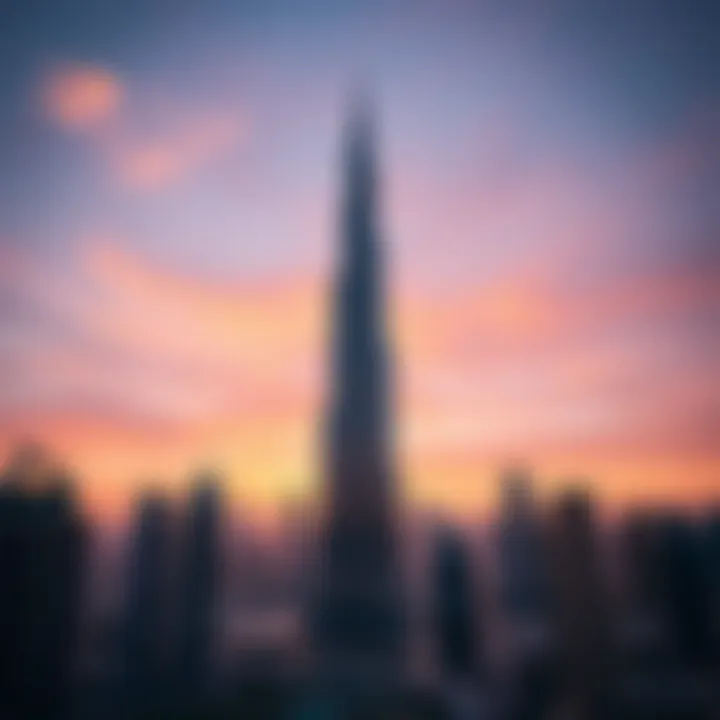
Tall buildings do not merely reshape the physical landscape; they also encapsulate the essence of a city’s identity and culture. In the UAE, skyscrapers symbolize the region's aspiration and economic might, often becoming landmarks that cruise lines and tourists recognize from afar. The silhouette of the Burj Khalifa, for instance, is not just a highlight of the skyline; it's a beacon of ambition that resonates with both locals and international guests.
Moreover, these structures carry implications for urban planning. They encourage higher density living and provide residential, commercial, and recreational spaces all in one vertical framework, making cities more efficient. This model not only conserves land but also fosters community interactions within a compact city environment, appealing to buyers, investors, and lifestyle enthusiasts alike.
A well-planned skyline fosters a sense of pride among residents and stirs up conversations about sustainability and technological advancements in construction. Thus, tall buildings in the UAE do more than stretch towards the clouds—they are integral to the cohesive narrative that defines the urban identity of one of the most dynamic regions in the world.
The Burj Khalifa: A Landmark in Modern Architecture
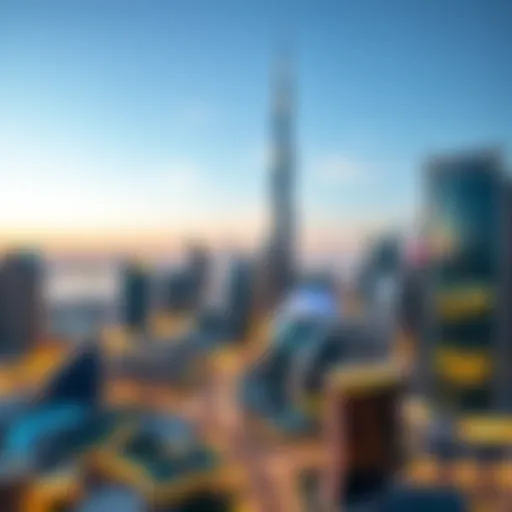
The Burj Khalifa stands tall as not just the highest building in the United Arab Emirates but as an emblem of ambition and innovation in architecture worldwide. Rising to a staggering 828 meters, its silhouette dominates the Dubai skyline, symbolizing the region's rapid development and modernization. It represents a remarkable achievement in engineering and design, attracting curious minds and tourists alike.
This section delves into the intricacies that make the Burj Khalifa a landmark in modern architecture, focusing on its height and design features, engineering innovations, and the profound impact it has had on tourism and the economy of Dubai.
Height and Design Features
What sets the Burj Khalifa apart is not merely its height but the interplay of its design elements that culminate into a breathtaking structure. The building’s design was influenced by traditional Islamic architecture, making extensive use of geometric patterns and delicate ornamentation. Each tier of the tower tapers off as it ascends, creating a stunning visual that rivals any natural formation.
The exterior of the building is clad in reflective glazing, accented by textured stainless steel and polished black stone. This gleaming façade captures the sunlight, allowing the tower to shimmer during the day and glow against the night sky. The groundbreaking observation decks offer unparalleled vistas of the surrounding landscape, further solidifying its role as a tourist magnet.
"The Burj Khalifa is not just a building; it’s a vision reified in steel and glass, bringing dreams to life in the most literal sense."
Engineering Innovations


Constructing the Burj Khalifa required a network of innovative engineering solutions. The structure is built on a deep reinforced concrete mat, which has to support the massive loads and wind resistance that comes with such height. Engineers employed high-performance concrete, further enhanced with steel to withstand stress and pressure.
One notable aspect of this project is the unique construction techniques used. The "buttressed core" system allows for a lightweight and efficient structural form, enabling the building to soar higher than anyone thought possible. The installation of a sophisticated cooling system also showcases a commitment to sustainability, minimizing energy consumption despite the immense footprint of the building.
Impact on Tourism and Economy
The Burj Khalifa has indubitably transformed Dubai's reputation on the global stage. As a centerpiece of the city, it has become an icon that draws millions of visitors. Tourism flourishes around this towering marvel, with attractions like the Dubai Fountain and surrounding malls capitalizing on the foot traffic it generates.
The economic benefits extend beyond just tourism. The presence of the Burj Khalifa has spurred investment and development in the area, leading to a surge in hospitality and business ventures. It acts not merely as a landmark but a catalyst for economic growth and urban renewal, positioning Dubai as a top-tier global destination.
In summary, the Burj Khalifa encompasses elements of art, engineering excellence, and economic impact that intertwine to create a singular landmark reflective of modern aspirations in architecture and urbanism. Its towering presence continues to inspire future generations to push boundaries and redefine the skylines of to-morrow.
Other Notable Structures in Dubai
The skyline of Dubai is often synonymous with the soaring heights of its tallest structures. However, there's more to this architectural wonderland than just a few record-holding buildings. Other notable structures enrich the cityscape, offering a balance of design and functionality that reflects the ambitions of modern urban living.
The Marina 101: Design and Functionality
Standing proud in the Dubai Marina district, the Marina 101 is an emblem of innovation. With a height that reaches over 400 meters, it claims its spot as the second tallest building in Dubai. The architectural style leans towards modernism, featuring a sleek, glass façade and a unique tapered silhouette. Its design is not purely about aesthetics; the building hosts over 500 luxury apartments, providing stunning views of the marina and surrounding areas.
One standout feature of Marina 101 is its dedicated recreational space, including a pool, gym, and shared lounge areas. This incorporation of leisure within a high-rise environment reflects a growing trend in urban design—bringing together living, working, and relaxation spaces in a single structure. Residents enjoy a well-rounded lifestyle while being steps away from the vibrant marine community.
The Princess Tower: Residential Elegance
As a pivotal part of the Dubai Marina, the Princess Tower stands as a testament to luxurious living. Known for its stunning architecture, this skyscraper has reached a height of 413 meters, making it one of the tallest residential buildings in the world. Its design captures the spirit of the city, with elegant curves and detailed finishes that beckon admiration.
Residents of the Princess Tower benefit from an array of amenities rarely found in traditional high-rise buildings. The tower features a variety of luxury apartments, each designed to maximize space and natural light. Common facilities include a grand lobby, fitness centers, and even a rooftop swimming pool that boasts breathtaking panoramic views. Living here is not just about the apartment; it’s about the community and a lifestyle that caters to comfort and luxury.
The Address Downtown: Luxury Living
Nestled at the heart of the city, The Address Downtown is more than a skyscraper; it is an institution of hospitality and luxury. Rising to a height of 302 meters, this hotel and residential complex enjoys an iconic placement beside the Burj Khalifa and the Dubai Mall, making it a prime location for both tourists and residents alike.
The Address Downtown is well-regarded for its exceptional interiors and services. Residents enjoy spacious, elegantly furnished apartments that exude sophistication. The hotel offers world-class amenities, including a signature restaurant with stunning views, a spa, and multiple recreational options, all designed to enhance the living experience.
Beyond mere luxury, the Address Downtown embodies the blend of cultural charm and modern architecture, encapsulating Dubai's ethos where tradition meets innovation. Its proximity to notable landmarks enhances its appeal, making it a sought-after destination for those wanting to immerse themselves in the heartbeat of Dubai.
"These notable structures are not just there to make the skyline beautiful; they are designed for living, working, and community engagement."
The Role of Technology in Tall Building Construction
In the rapidly evolving landscape of architecture, technology stands as the backbone of innovation, particularly in the construction of tall buildings. These modern marvels not only grace the skyline but also embody the integration of cutting-edge technology with aesthetic design and functional considerations. As the demand for vertical expansion grows, understanding the role of technology in tall buildings becomes essential for investors, homebuyers, agents, analysts, and developers alike.
Advanced Materials Utilized in Construction
In the construction of skyscrapers, the selection of materials plays a pivotal role in both the structural integrity and overall sustainability of the buildings. The need for strength and flexibility has led to the adoption of advanced materials such as high-performance concrete and steel composites. These materials offer several benefits:
- Reduced Weight: Lightweight materials help in minimizing the load on foundations, enabling taller constructions.
- Enhanced Durability: The use of innovative coatings and treatments can extend the life of the materials, reducing maintenance needs.
- Improved Energy Efficiency: Some advanced materials have insulating properties that can help regulate indoor temperatures, which reduces energy consumption in the long run.
For instance, the Burj Khalifa in Dubai utilizes a specially formulated concrete that allows it to stand tall amid environmental stresses, like high winds and temperature fluctuations.
Additionally, the advent of smart materials—those that adjust their properties in response to environmental changes—has further revolutionized building design and performance. This technology not only ensures safety but also optimizes the living conditions within these towering structures.
Sustainable Practices in High-Rise Development
As we tread deeper into the 21st century, the focus on sustainability has transformed from a buzzword to a fundamental aspect of architecture. In the construction of tall buildings, sustainable practices are not merely an option; they are becoming a regulatory standard.
- Energy-Efficient Systems: Many skyscrapers now incorporate energy-efficient heating, ventilation, and air conditioning systems that significantly lower energy consumption.
- Green Roofs and Vertical Gardens: These not only enhance the building’s aesthetic appeal but also contribute to improved air quality and biodiversity in urban settings.
- Water Recycling Systems: Innovative plumbing designs can facilitate water reuse, helping to reduce the overall demand for fresh water in these densely populated environments.
Moreover, many new constructions are being designed to adhere to internationally recognized sustainability certifications, such as LEED (Leadership in Energy and Environmental Design). Developers are seeking to meet these standards not only for regulatory compliance but also to attract environmentally conscious investors and buyers who are increasingly prioritizing sustainability in their property choices.
"The future of skyscrapers isn’t just about how high they can go, but how smart and sustainable they can become."
The Cultural Influence of High-Rise Buildings
High-rise buildings in the UAE are more than just impressive stacks of steel and glass; they act as cultural beacons that reflect the ambitions and aspirations of a nation. Their towering presence is a symbol of modernity and progress, intertwining with the identity of Emirati society. Given the rapid development and urbanization in the UAE, these structures embody both the unique heritage of the region and the influences of globalization. A closer look reveals how high-rises reflect local values, aspirations for economic growth, and the desire for international recognition.
Symbolism of Skyscrapers in Emirati Culture
In Emirati culture, skyscrapers inherently symbolize wealth, power, and progress. They stand not just as functional spaces but as statements of vision and ambition. The Burj Khalifa, for instance, doesn’t merely claim the title of the world's tallest building; it signifies the UAE's rise on the global stage, embodying a narrative of transformation from a modest fishing village to a thriving metropolis.
Moreover, the architectural designs often incorporate elements reflective of Islamic culture and history. From intricate geometric patterns to features that mimic the region's natural landscapes, these buildings resonate with the nation's narrative while embracing modern techniques. This blend of old and new gives rise to an identity that is distinctly Emirati, yet universally recognizable.
- Cultural Identity: Skyscrapers act as canvases for expressing the UAE's cultural identity. Architects take inspiration from Emirati history and symbols, embedding these into the facades and designs.
- Economic Resilience: The presence of such monumental structures also hints at economic resilience, showcasing how emirates have weathered storms and emerged as leaders in various sectors.
- National Pride: With the rising silhouettes of these buildings, a sense of pride permeates through the Emirati populace, reinforcing the significance of cultural heritage alongside modern success.
Artistic Design Inspirations
The artistic design of high-rise buildings in the UAE often draws from a plethora of influences, creating a visual feast for onlookers. Architects are not just focused on height; they weave stories through their designs, reflecting the rich tapestry of Emirati culture and the surrounding environment.
- Nature Inspired Motifs: Many skyscrapers borrow elements from the natural surroundings, such as dunes and falcons. For instance, the twisting shape of the Cactus Tower mirrors the desert flora, framing an identity that speaks of its environment.
- Cultural Symbols: Designs often utilize Islamic geometric patterns which tell stories of heritage while ensuring the modern aesthetic is kept intact.
- Global Fusion: Additionally, the cosmopolitan nature of Dubai encourages a melting pot of architectural styles, from sleek modern lines to intricate traditional artistry. This eclectic approach not only highlights local customs but also celebrates global design trends.
"High-rises in the UAE are not just structures; they are landmarks of a transient culture blending the profound with the modern."
In summary, high-rise buildings in the UAE reveal much about the cultural fabric of the nation. As symbols of ambitious aspirations, they encapsulate a historical journey rich in diversity and identity while paving the way for future developments. Therein lies their true beauty—not only in their architecture but also in their deep-rooted stories.
Future Developments in the UAE Skyline
Importance of Future Developments
The skyline of the UAE, especially Dubai, is a testament to modernity and ambition. As we gaze towards future developments in the UAE's skyline, it becomes clear that these plans are not just structures; they embody visions of economic aspirations, cultural identity, and environmental considerations. High-rise buildings in this region have evolved from mere constructions of glass and steel to symbols of innovation and sustainability.
In a rapidly urbanizing world, cities must carefully assess their development strategies. Future high-rise projects carry the promise of integrating technology, fostering community, and embracing sustainability. Investors and stakeholders alike are keenly watching these trajectories, as they represent not only potential profits but also the long-term viability of urban planning initiatives in an age where climate change and population growth pose real threats.
Upcoming Projects and Their Expected Features
Dubai is known for its ambitious architectural endeavors, and the upcoming projects promise to push boundaries even further. Some of the highlights include:
- Dubai Creek Tower: Set to eclipse the Burj Khalifa as the tallest tower in the world, the Dubai Creek Tower will feature unique architecture inspired by the minaret with a sculptural form. Its observation deck will offer panoramic views, elevating the visitor experience.
- The Tower at Dubai Marina: Designed to provide luxury residential apartments with state-of-the-art amenities, this project aims to cater to an elite clientele, merging comfort with breathtaking views of the marina.
- Wolverine Tower: This innovative project seeks to redefine mixed-use spaces. It will incorporate commercial, residential, and leisure facilities into a single cohesive environment that promotes community interaction.
These projects are characterized by high-tech construction processes, eco-friendly materials, and smart buildings equipped with cutting-edge technology, reflecting a global shift towards smarter city living.
Urban Planning for Sustainable Growth
Sustainable growth emerges as a pivotal concern for cities grappling with rapid urbanization. In the UAE, this means prioritizing urban planning that respects environmental limits while accommodating growth.
- Green Building Practices: New developments are increasingly expected to adhere to green building codes. Features like energy-efficient systems, water conservation measures, and sustainable materials are becoming standard rather than just optional. The UAE’s commitment to sustainability is evident in initiatives like the Estidama Pearl Rating System, ensuring environmentally-friendly building practices.
- Integrated Transportation: Enhancing public transport networks complements urban planning. Projects that focus on walkability and connectivity between high-rise buildings will reduce reliance on personal vehicles, lowering carbon footprints and traffic congestion.
"Creating smart cities isn't just a trend, it's a necessity. As the UAE moves towards a sustainable future, every tall building needs to reflect that ambition."
By taking these steps, the future landscape of the UAE promises to be a blend of artistic architectural expression, technological advancement, and ecological consciousness. Such a balanced approach strengthens not only the urban environment but also the economy, as businesses increasingly seek to operate from sustainable structures.
Ending: The Evolution of Urban Landscapes
The towering marvels that dot the UAE’s skyline signify more than mere architectural feats; they represent a shift in urban identity and an aspiration for innovation. As we reflect on the evolution of these landscapes, it's clear that each skyscraper contributes to a larger narrative, one that intertwines culture, economy, and the relentless pursuit of progress.
Reflections on the Architectural Impact
Dubai's high-rises have redefined not only its skyline but also its cultural identity. The Burj Khalifa, for instance, is not just the tallest building in the world; it embodies the spirit of modernity that characterizes the UAE. The architectural impact is profound, influencing urban planning not only within the Emirates but also globally. The design principles utilized in these structures often blend traditional Emirati aesthetics with avant-garde techniques, creating a unique architectural language. This fusion draws a global audience, piquing interest and investment in both residential and commercial properties.
Additionally, these skyscrapers serve as a canvas for artistic expression. From extravagant facades to unique structural forms, they invite critics and admirers alike to converse about the possibilities of what architecture can achieve. The cultural resonance of these buildings fosters a sense of place, creating landmarks that symbolize pride for Emiratis while redefining home for expatriates.
"Skyscrapers are the new landmarks of our era, reflecting ambition and aspiration on a grand scale."
Moreover, the vertical growth of urban areas encourages more efficient land use, making room for parks, leisure areas, and residential zones. This strategic approach to urban design not only maximizes space but also enhances the quality of life for residents.
The Future of Dubai’s Vertical Expansion
Looking ahead, Dubai's commitment to vertical expansion is poised to continue shaping its urban fabric. Innovative projects are on the horizon, with concepts that push the boundaries of what is currently deemed possible. Next-gen skyscrapers will likely incorporate cutting-edge technology, focusing on sustainability and energy efficiency. Tall buildings designed to harness solar energy, utilize recycled materials, and facilitate smart-home technology are becoming indispensable to future developments.
Investors and developers need to stay alert to these emerging trends. Anticipating shifts in environmental standards and market demands can help identify lucrative opportunities. For instance, upcoming projects like the Dubai Creek Tower promise to elevate not just height but the living experience within urban spaces. These initiatives emphasize community, integrating residential, retail, and leisure facilities in a single vertical structure.
Overall, the evolution of urban landscapes in the UAE illustrates a significant paradigm shift toward sustainable high-rise development, aiming to harmonize human needs with environmental stewardship. As architects and developers push for new heights, they also navigate challenges such as climate adaptation and urban resilience, ensuring that future constructions harmonize seamlessly with the environment.